Weekly Inflation Eases to 11.38% as Tomato Prices Crash, Wheat Flour Keeps Rising
The Pakistan Bureau of Statistics' Sensitive Price Indicator rose 11.38% year-on-year in the week ended October 15, down from 11.97% the week before, as a sharp fall in tomato and onion prices offset continued rises in wheat flour, chicken and pulses.
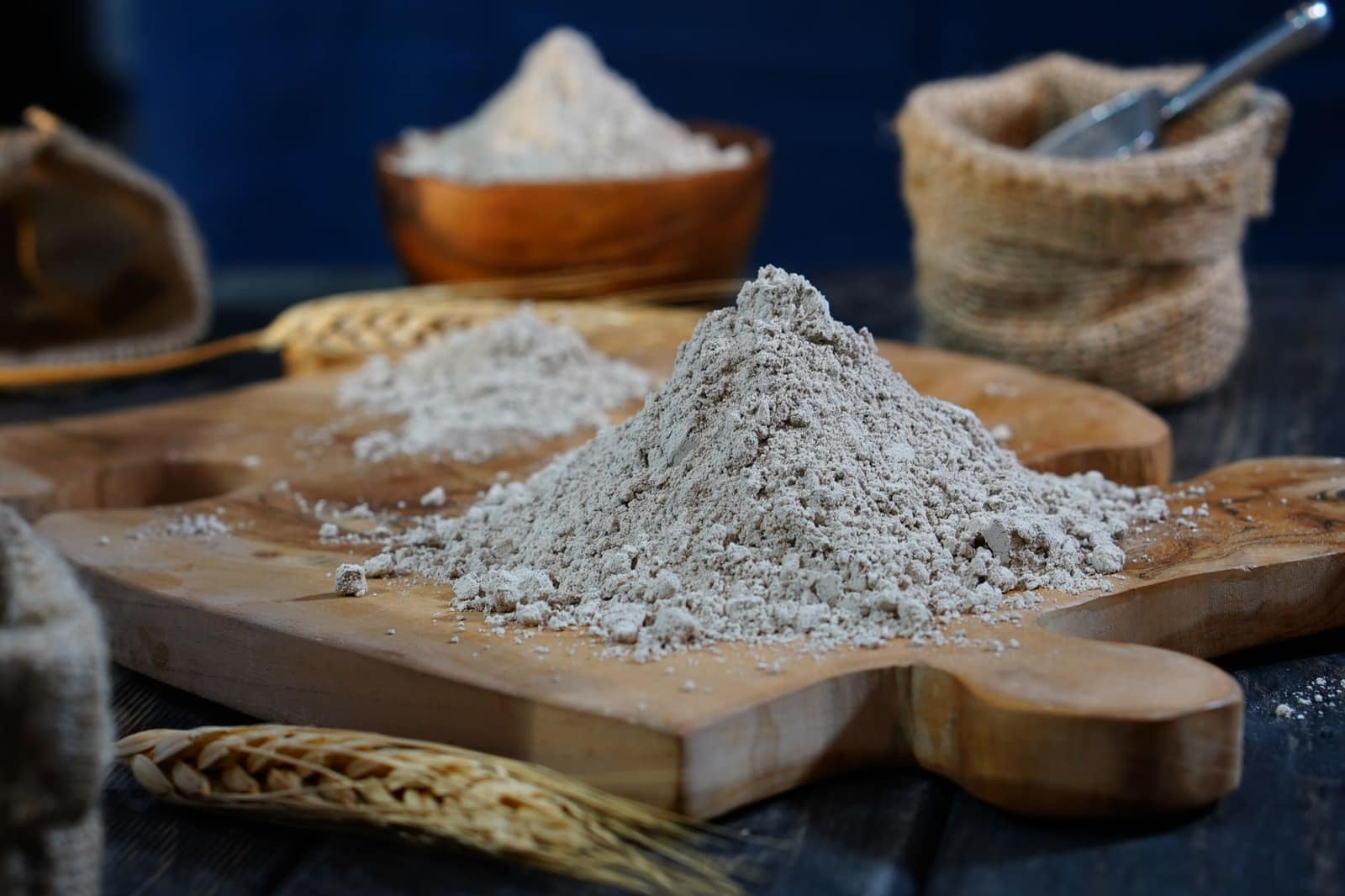
Photo by diosix / Pexels
Pakistan's weekly inflation rate eased to 11.38% year-on-year in the week ended October 15, down from 11.97% the week before, as a sharp fall in tomato and onion prices offset continued increases in wheat flour, chicken and pulses, according to Pakistan Bureau of Statistics (PBS) data released on Friday.
The Sensitive Price Indicator (SPI), which PBS computes weekly from 51 essential items across 17 cities to track short-term price movement, fell 0.04% over the previous week. The combined index stood at 372.43 points, against 372.58 a week earlier and 334.39 in the corresponding week of 2025. Dawn reported the release the same day.
What pulled the index down
Tomatoes led the week's declines, falling 23.05%, followed by onions (4.90%), bananas (2.59%), petrol (0.70%), broken basmati rice (0.65%), sugar (0.62%) and gur (0.36%). Of the 51 items PBS tracks, seven fell and 21 held steady.
What kept climbing
Twenty-three items, or 45.10% of the basket, rose over the week. Pulse gram led the increases at 4.97%, followed by wheat flour (3.36%), chicken (3.31%), eggs (0.99%), pulse mash (0.98%) and pulse masoor (0.95%). Diesel and LPG also edged up, by 0.47% and 0.42% respectively, even as petrol eased slightly at the pump. The live petrol price page tracks each day's revision under the pricing mechanism OGRA adopted in July.
A year of much steeper swings
The weekly snapshot understates how far some prices have moved since last October. Onions are up 75.19% year-on-year despite their recent fall, LPG has climbed 68.95%, and first-quarter electricity charges are up 58.59%. Petrol and diesel are up 49.60% and 43.98% respectively over the same period, with wheat flour close behind at 35.13% — a run that has continued through the previous week's SPI report, which recorded a 0.57% weekly rise. Tomatoes and potatoes, meanwhile, are down 63.65% and 39.93% from a year ago, a reminder that produce prices move in both directions far more sharply than packaged staples.
A gap between richer and poorer households
PBS breaks the SPI down by five income groups, called quintiles, based on monthly spending. The lowest-spending group — households spending up to Rs17,732 a month — recorded the smallest annual increase, 8.19%, while the highest-spending group, above Rs44,175 a month, saw 12.09%. The gap reflects differences in what each group buys: onions, LPG and electricity, the sharpest year-on-year risers, carry more weight in the basket of higher-spending urban households than in the lowest quintile's.
How this compares with the official inflation rate
The SPI is a weekly snapshot of a narrower basket of essential goods, not Pakistan's headline inflation rate. The Consumer Price Index, PBS's broader monthly measure, stood at 10.3% in September, itself down from 11.1% in August. The SPI has consistently run above the CPI through this stretch, reflecting how heavily weighted it is toward the food and fuel items that have moved the most.
What to watch
PBS publishes the next SPI report on October 23. Whether wheat flour's climb continues, and whether tomato and onion prices hold their sharp fall or rebound as quickly as they dropped, will decide whether the year-on-year rate keeps easing or reverses.
Build Better Pakistan's Economy Desk tracks PBS's weekly inflation data and will update this piece as new figures are released.
This article is part of our Economy coverage — Inflation, growth, trade and the everyday cost of living across Pakistan.
Frequently Asked Questions
- Did inflation go up or down this week?
- Pakistan's weekly Sensitive Price Indicator (SPI) fell 0.04% over the previous week and its year-on-year rate eased to 11.38% from 11.97%, according to Pakistan Bureau of Statistics (PBS) data for the week ended October 15, 2026. A sharp drop in tomato and onion prices outweighed continued increases in wheat flour, chicken and pulses.
- Which prices are rising fastest over the past year?
- PBS recorded the largest year-on-year increases in onions (75.19%), LPG (68.95%), first-quarter electricity charges (58.59%), petrol (49.60%), diesel (43.98%) and wheat flour (35.13%). Tomatoes, by contrast, are down 63.65% from a year ago after this month's price crash.
Trending Now
- 01
Armed Men Abduct 18 Marble Mine Workers in Balochistan's Khuzdar
October 19, 2026
- 02
Karachi Reports First Polio Case in Over 18 Months, National Tally Hits 7
October 19, 2026
- 03
Apna Ghar Housing Loan Paperwork Cut From 25 Documents to Five
October 19, 2026
- 04
Car Loans Hit Rs407 Billion in September, a 22nd Straight Monthly Rise
October 18, 2026
- 05
LPG Cylinders Sell at Rs5,000, Almost 52pc Above Official Rate, as Government Flags Hoarding
October 18, 2026
Weekly Briefing
The week's most important stories on Pakistan's biggest challenges, in your inbox.
Related Reading

Apna Ghar Housing Loan Paperwork Cut From 25 Documents to Five
Prime Minister Shehbaz Sharif has ordered banks to cut the paperwork required for an Apna Ghar housing loan from 25 documents to five and to decide every application within 15 working days, after a review found only Rs76 billion of Rs448 billion in approved loans had actually been disbursed.
BBP Economy Desk · October 19, 2026 · 4 min

Car Loans Hit Rs407 Billion in September, a 22nd Straight Monthly Rise
Outstanding car loans rose to Rs407 billion in September, the 22nd consecutive monthly increase, even as new car sales from assemblers fell 12 percent year-on-year, State Bank of Pakistan data show.
BBP Economy Desk · October 18, 2026 · 3 min
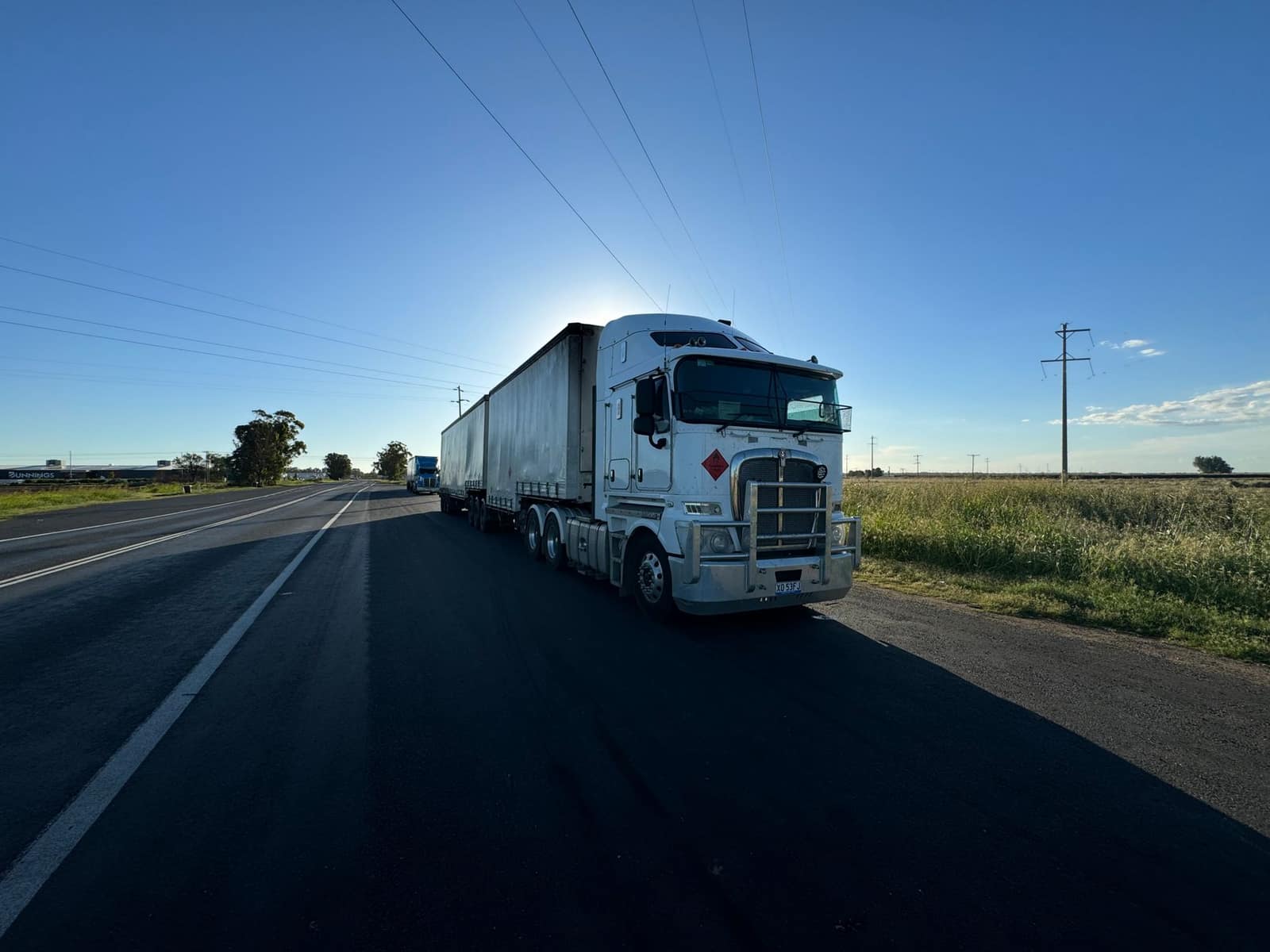
Pakistan Suspends Iran Border Trade, Stranding LPG and Rice Cargo
The Commerce Ministry withdrew an import waiver and Taftan's immigration gate was shut on Saturday, halting commercial trade with Iran and leaving freight loaded with LPG, rice and fresh produce stuck at the border.
BBP Economy Desk · October 18, 2026 · 4 min