Malaria Outbreak Floods Kashmore Hospitals Amid Medicine Shortage
Public and private hospitals in Sindh's Kashmore district are overwhelmed with malaria patients, with residents blaming an 'apathetic' health and malaria control department response and a shortage of medicine for the surge.
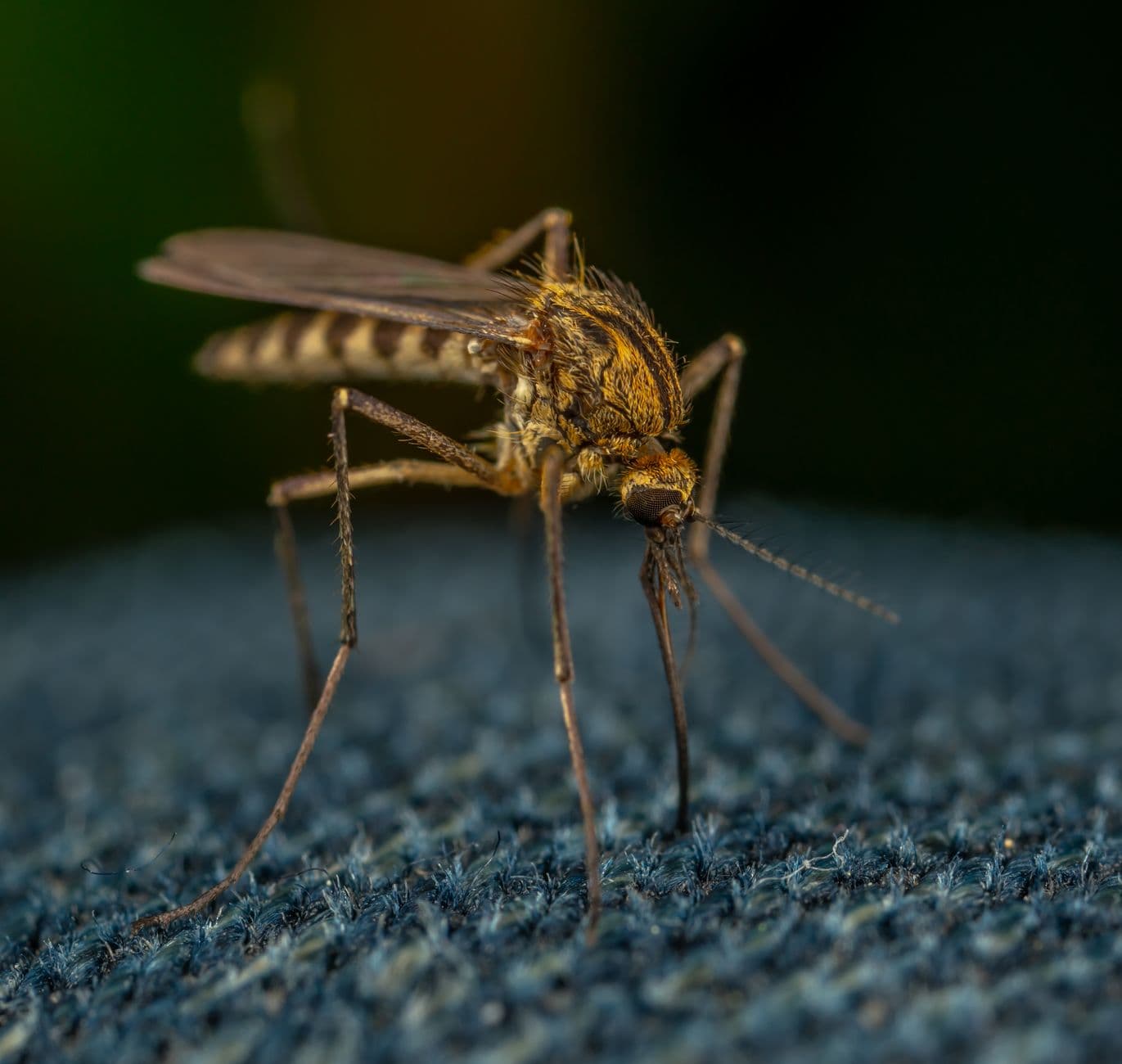
Photo by Egor Kamelev / Pexels
Public and private hospitals in Kashmore district, in northern Sindh along the Indus River, have been overwhelmed with malaria patients, with residents and local reporting pointing to an apathetic response from the health and malaria control departments and a shortage of the medicines needed to treat the surge.
What's happening on the ground
Hospitals in the district — both government-run and private — are reporting a flood of patients as malaria cases climb, according to reporting from late September 2026. Residents describe the situation as the product of official inaction rather than an unavoidable seasonal spike: a lack of anti-mosquito spray campaigns and gaps in medicine supply have let a recurring problem turn into a crisis that local hospitals aren't equipped to absorb.
Why Kashmore specifically
Kashmore sits along the Indus River corridor in Sindh, in terrain that research on the province's malaria burden identifies as one of the most consistently affected stretches in the country — the disease is concentrated along the river basin from the Jacobabad-Kashmore border down through Sindh. Malaria spreads through the bite of infected female Anopheles mosquitoes, typically active at dusk and dawn, and is not transmitted person to person. That makes standing water and mosquito breeding sites the direct target for any effective response, which is exactly what residents in Kashmore have been demanding: a district-wide review to map where breeding is worst, alongside spraying, sanitation work, and earlier testing.
The province-wide backdrop
Kashmore's outbreak is landing on top of a Sindh-wide caseload that, while down on paper, is still substantial. Provincial health department data reported in late August 2026 put the year's malaria cases at 90,853 across Sindh — a 25 percent decline from roughly 122,000 over the same period the year before, a drop health experts linked partly to lighter monsoon rainfall reducing the standing water mosquitoes breed in. Hyderabad division carried the largest share of that caseload at 35,094 cases, followed by Larkana with 27,057, Shaheed Benazirabad with 10,200, and Sukkur division — which includes Kashmore — with 9,949. Karachi, by contrast, recorded just 772. A province-wide decline doesn't mean an even one: Kashmore's hospitals being overwhelmed shows how a district can still face a full-blown local crisis even as the aggregate provincial trend points down.
The standing-water connection
Pakistan's mosquito-borne disease burden — malaria and dengue alike — tends to spike wherever floodwater or heavy rain leaves stagnant pools behind, which is part of why the country's 2026 monsoon season, which we've covered separately, has downstream health effects that outlast the flooding itself. The same dynamic is behind the elevated dengue risk we flagged heading into this year's post-monsoon period, detailed in our dengue explainer. Kashmore's malaria surge is a reminder that the disease burden from a heavy monsoon doesn't end when the water recedes — it often peaks in the weeks after, once mosquito populations have had time to establish themselves in whatever standing water is left.
What residents are asking for
The core demand from Kashmore residents is specific and achievable: identify where mosquitoes are breeding, spray those sites, fix the medicine supply gap at district hospitals, and treat malaria as a recurring structural problem rather than a one-off seasonal event that only gets attention once wards are already full. None of that is a novel prescription — it's the same combination of vector control, sanitation and early testing that has driven the province-wide case decline elsewhere in Sindh. The gap in Kashmore is one of execution, not diagnosis.
Build Better Pakistan's Health Desk covers public health system gaps and disease outbreaks across Pakistan.
This article is part of our Health coverage — Public health systems, maternal care and health equity.
Frequently Asked Questions
- Where is the malaria outbreak, and what's causing hospitals to be overwhelmed?
- Kashmore district in northern Sindh, reported around September 24, 2026. Both public and private hospitals in the district have been flooded with malaria patients, which residents attribute to an apathetic response from the health and malaria control departments, combined with a shortage of malaria medicines.
- How does Kashmore's outbreak fit into Sindh's malaria picture this year?
- Provincial data reported in late August 2026 showed Sindh had recorded 90,853 malaria cases so far in 2026 — a 25 percent drop from roughly 122,000 cases over the same period the previous year — with Sukkur division (which includes Kashmore) among the districts carrying a significant share of that caseload.
Trending Now
- 01
Armed Men Abduct 18 Marble Mine Workers in Balochistan's Khuzdar
October 19, 2026
- 02
Karachi Reports First Polio Case in Over 18 Months, National Tally Hits 7
October 19, 2026
- 03
Apna Ghar Housing Loan Paperwork Cut From 25 Documents to Five
October 19, 2026
- 04
Car Loans Hit Rs407 Billion in September, a 22nd Straight Monthly Rise
October 18, 2026
- 05
LPG Cylinders Sell at Rs5,000, Almost 52pc Above Official Rate, as Government Flags Hoarding
October 18, 2026
Weekly Briefing
The week's most important stories on Pakistan's biggest challenges, in your inbox.
Related Reading
Karachi Reports First Polio Case in Over 18 Months, National Tally Hits 7
A six-month-old boy from Jamali Colony in Karachi East has tested positive for wild poliovirus, the city's first confirmed case since December 2024 and Pakistan's seventh of 2026, health officials said on October 19.
BBP Health Desk · October 19, 2026 · 3 min

One in Three Adults in Pakistan Has a Mental Disorder, First National Survey Finds
Pakistan's first nationally representative psychiatric survey, covering nearly 18,000 adults, found 32 percent currently living with a mental or behavioural disorder, published days after the government launched its first National Mental Health Policy.
BBP Health Desk · October 18, 2026 · 4 min
PM Orders 48-Hour Probe Into Rs4,500 Hajj and Umrah Vaccine Charges
Prime Minister Shehbaz Sharif ordered a five-member committee to report within 48 hours on how Border Health Services Pakistan priced pilgrim vaccinations at about Rs4,500 a person, up from roughly Rs1,250, after seven drugmakers challenged the contract in court.
BBP Health Desk · October 18, 2026 · 4 min